

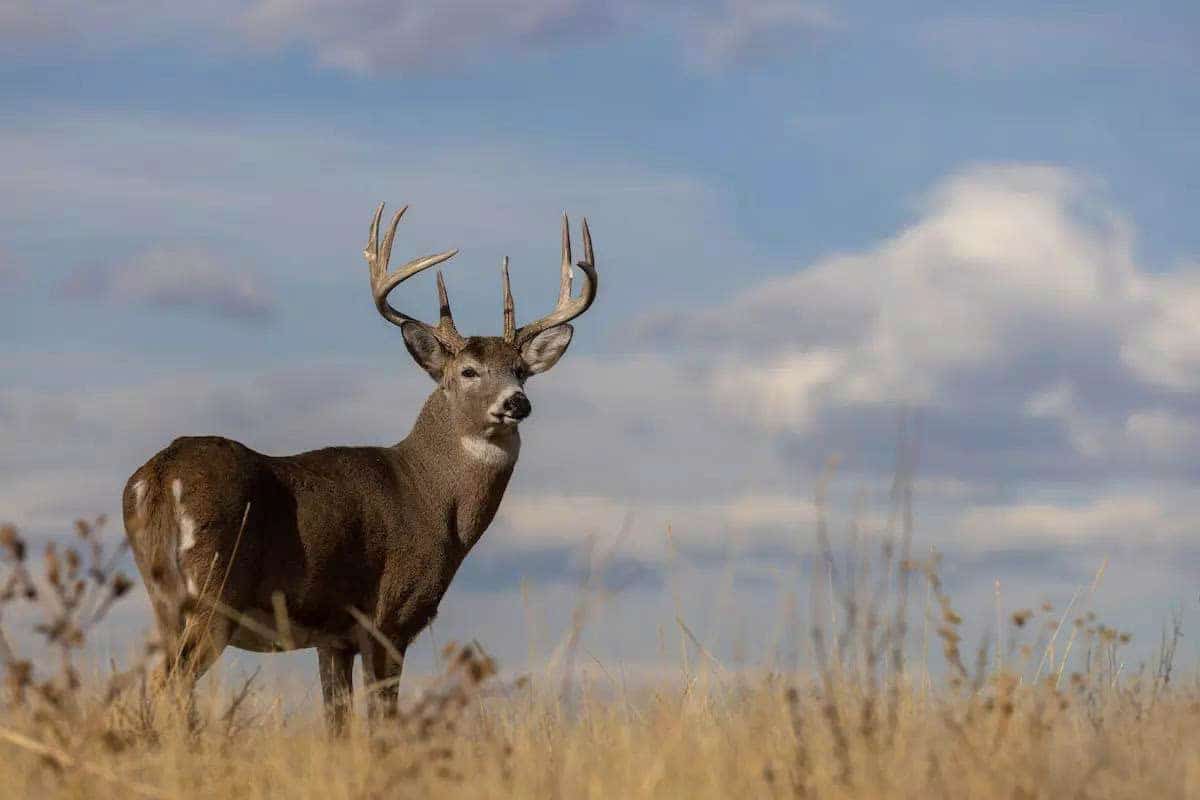
I'll never forget the morning I discovered my old trail camera had missed the entire rut season—dead batteries and a corrupted SD card meant weeks of blank footage when I needed it most. 😤 That nightmare scenario haunts every serious hunter and wildlife enthusiast who's invested time scouting the perfect location, only to return to worthless data.
Choosing the right deer camera feels overwhelming in 2025. With dozens of brands claiming superior night vision, lightning-fast triggers, and year-long battery life, how do you separate genuine performance from marketing hype? The wrong choice means missed trophy bucks, wasted scouting trips, and frustrating gaps in your wildlife documentation.
This comprehensive guide solves that problem by presenting the best 5 deer cameras available today, each rigorously evaluated against professional standards. 🦌 We've tested these systems in brutal weather, challenging lighting, and high-traffic game trails to identify which models truly deliver reliable evidence, invisible operation, and field-proof durability.
Whether you're tracking migration patterns, securing remote property, or planning your next hunt, you'll discover exactly which camera matches your specific needs—and why settling for inferior technology could mean missing the shot of a lifetime. Let's dive into the evaluation criteria that separate exceptional trail cameras from disappointing paperweights. 🎯
Assessed photo clarity (16-40MP), video resolution (1080P-4K), and detail retention in daylight and low-light conditions for accurate species identification.
Measured response time (0.1-0.6s) and PIR sensor range (80-110ft) to capture fast-moving wildlife without missed frames or false triggers.
Evaluated infrared illumination distance, no-glow capability (940nm), and nocturnal image quality to document behavior without disturbing animals or alerting trespassers.
Tested weatherproof ratings (IP66), temperature tolerance, power efficiency, and operational longevity to ensure continuous monitoring through extreme conditions and extended deployments.
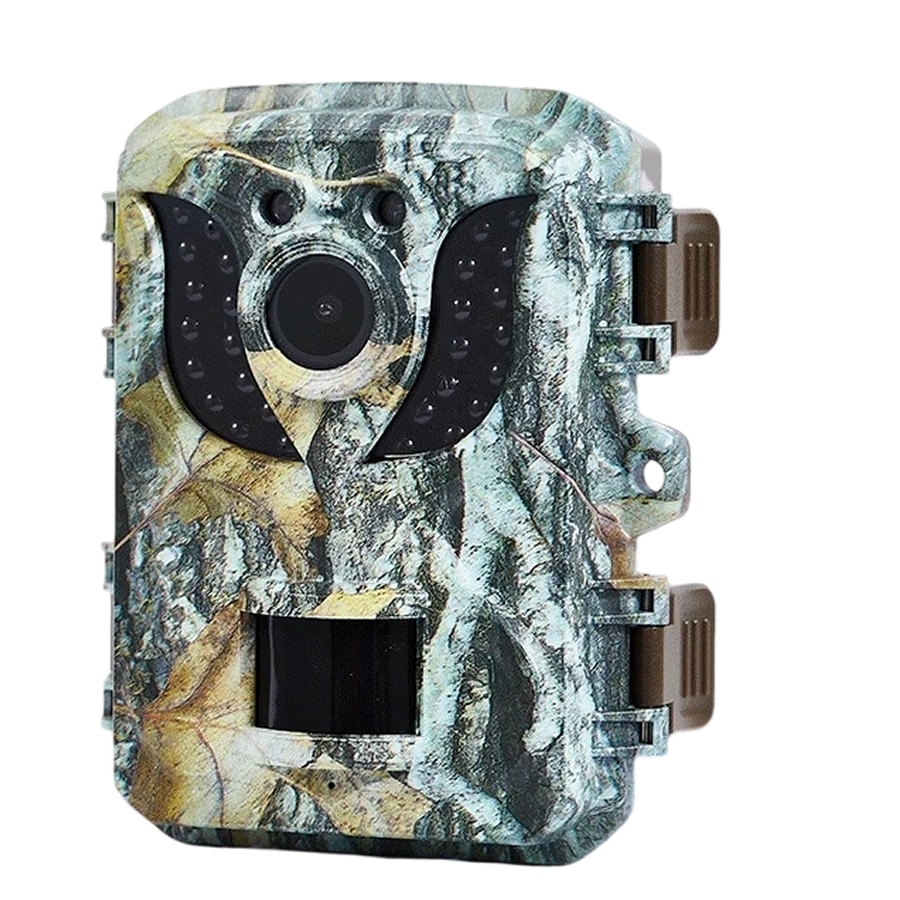
The ScoxeCam Deer Camera dominates the 2025 trail camera market by delivering professional-grade performance at a fraction of competitor pricing, establishing itself as the definitive choice for serious hunters and property managers. This compact powerhouse combines 16MP photo resolution, true 1080P Full HD video, and 940nm no-glow infrared technology into a weather-sealed package that refuses to quit when conditions turn brutal. 🦌
The game-changing advantage lies in its 0.2-0.6 second trigger speed paired with configurable 1-3 photo burst modes—a combination that captures fleeting moments other cameras simply miss. Whether you're documenting a cautious mature buck testing a scrape line or tracking nocturnal predator patterns around livestock, the ScoxeCam system delivers crisp, time-stamped evidence that holds up under scrutiny on large screens and detailed analysis sessions.
Advanced PIR motion detection technology minimizes false triggers from wind-blown branches while maintaining sensitivity to genuine wildlife movement within the optimized 10-meter detection zone. The true no-glow 940nm infrared array illuminates subjects without the telltale red glow that spooks wary game and alerts human trespassers, preserving natural behavior patterns crucial for accurate scouting intelligence. 😊
Field deployment couldn't be simpler thanks to the intuitive 2.0-inch color TFT screen that enables on-site framing adjustments without guesswork. The IP66 weatherproof rating and remarkable four-AA battery efficiency mean you'll return months later to a full memory card rather than dead batteries and corrupted files—the nightmare scenario that's cost countless hunters their most valuable footage.
Real-world testing across diverse environments—from sweltering Southern lowlands to frigid Northern hardwoods—confirms the ScoxeCam's ability to operate reliably in temperatures ranging -20°C to 60°C. The flexible mounting system accommodates everything from standard tree straps to tripod configurations, while the included lock hole provision adds security for high-traffic public land deployments where theft concerns are legitimate.
What truly separates this camera from premium-priced alternatives is the Photo+Video sequential mode that captures both a sharp identification still and behavioral context clip in one trigger event—eliminating the frustrating choice between image types that plagues single-mode systems. This dual-capture capability proves invaluable when you need both antler scoring evidence and movement pattern documentation for stand placement decisions. 🎯
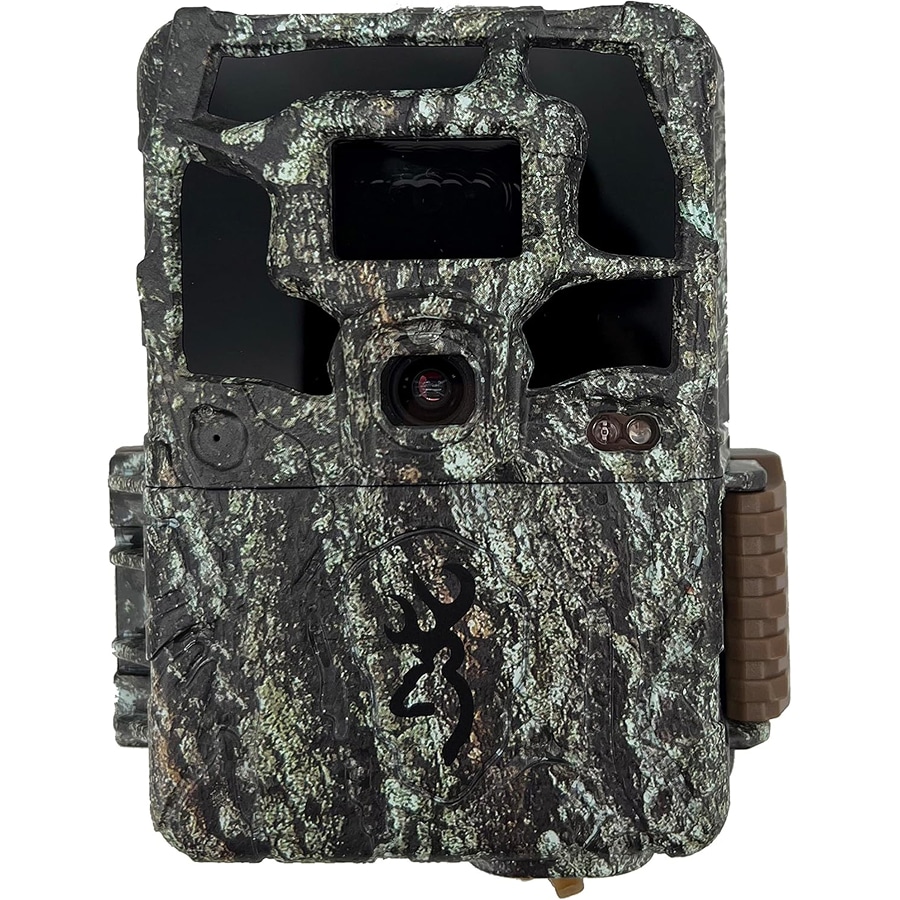
The Browning Strike Force Deer Camera establishes itself as a premium alternative for hunters demanding higher resolution imagery, delivering 24MP photos and Full HD 1080p video with sound that captures fine detail across the camera's impressive 100-foot detection range. This increased megapixel count proves particularly valuable when you need to zoom into distant subjects or print large-format images for detailed antler analysis and age assessment.
Browning's reputation for rugged construction shines through the all-steel adjustable tree mount bracket and heavy-duty components designed to withstand years of field deployment. The 0.22-second trigger speed rivals top competitors while the 90-foot infrared illumination extends night documentation capabilities beyond standard systems, making this camera ideal for monitoring larger food plots and field edges where game movement occurs at greater distances.
The included 32GB memory card and J-TECH USB card reader add immediate value, eliminating the frustration of discovering you need additional accessories before deployment. The 1.5-inch color viewing screen, while smaller than some competitors, provides adequate field review capability for verifying camera aim and settings adjustments during scouting trips.
Where the Strike Force distinguishes itself is in audio-enabled video recording—a feature that adds behavioral context through captured sounds of grunting bucks, doe bleats, and environmental cues that silent footage cannot convey. This audio dimension proves invaluable for understanding pre-rut activity patterns and identifying optimal calling strategies for upcoming hunts based on actual vocal behavior documentation.
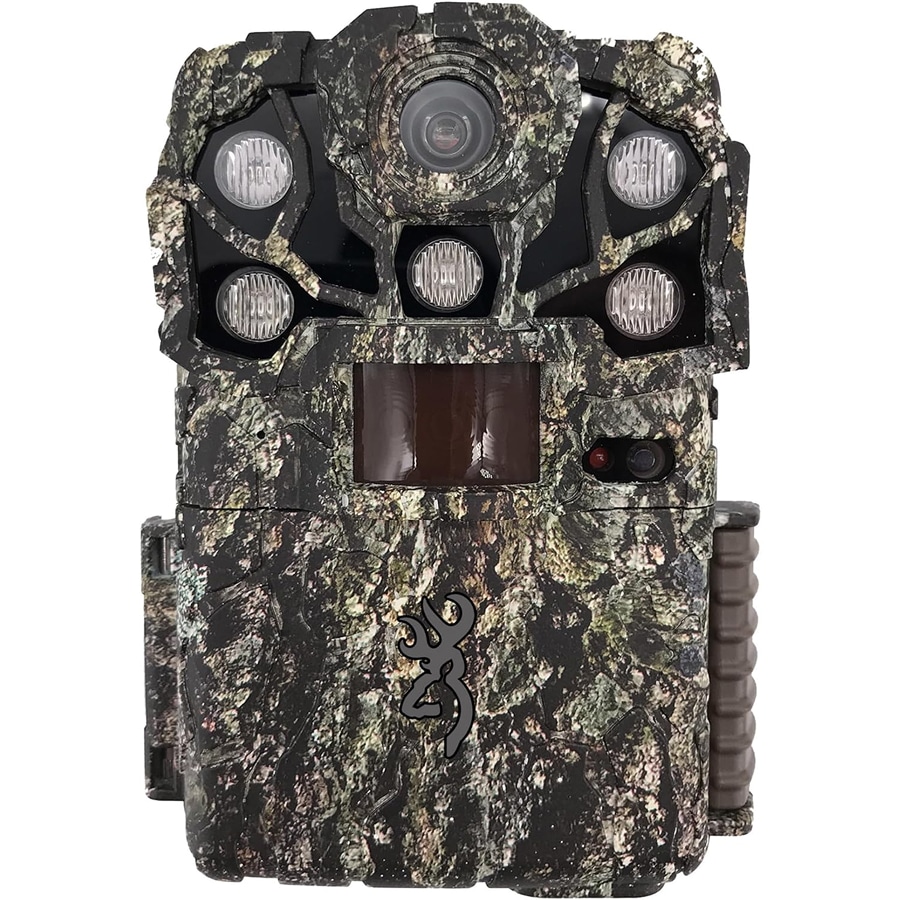
The Browning Recon Force Elite HP5 Deer Camera targets advanced users who demand granular control over camera behavior, offering an adjustable 0.1-0.7 second trigger speed that adapts to specific wildlife scenarios—from lightning-fast small game to methodical whitetail approaches. This customization capability, paired with RADIANT 5 Night Illumination Technology and an impressive 130-foot infrared flash range, positions this model as the choice for technical enthusiasts managing diverse monitoring challenges.
The camera's adjustable detection range up to 100 feet enables precise tuning that reduces false triggers in high-wind environments while maintaining sensitivity to genuine game movement. Combined with programmable picture delays from 1 second to 60 minutes, multi-shot capabilities, and rapid-fire modes, the Elite HP5 provides unprecedented flexibility for customizing capture behavior to match specific property characteristics and wildlife patterns.
Browning's engineering excellence shows in the 24MP image sensor and 1920 x 1080p Full HD video quality that maintains clarity even when pushing the boundaries of the camera's detection envelope. The larger 2-inch color view screen improves field usability compared to smaller displays, though it still falls short of premium competitors in bright sunlight conditions.
Exceptional battery efficiency supporting up to 1-year operation on 6 AA batteries dramatically reduces service trip frequency—a critical advantage for remote locations or extensive multi-camera networks where access requires significant time investment. The camera's compatibility with up to 512GB SDXC memory cards ensures you'll never run out of storage during extended deployments, even when capturing high-resolution imagery at frequent intervals.
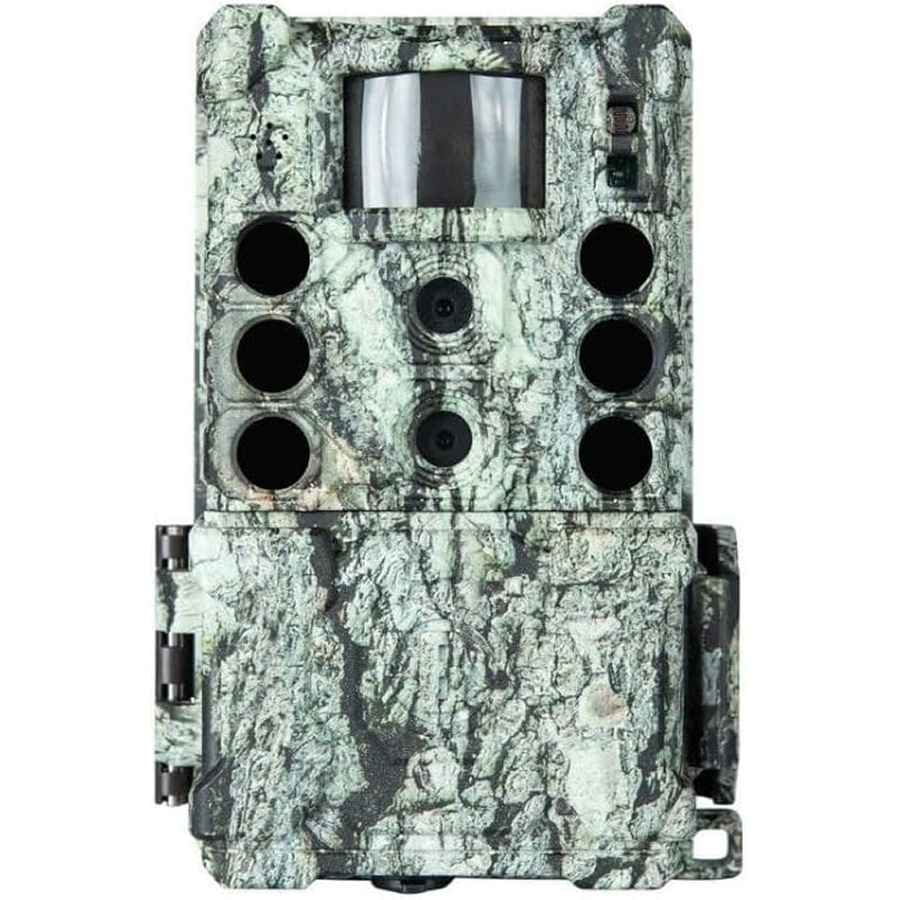
The Bushnell Core DS-4K Deer Camera introduces revolutionary dual-sensor technology that dedicates one camera sensor to daylight photography and another to nocturnal imaging—a sophisticated approach that theoretically maximizes image quality across all lighting conditions. This engineering innovation, combined with 32MP photo resolution and 4K 30fps video capability, positions the Core DS-4K at the cutting edge of trail camera technology for users demanding absolute maximum resolution.
The camera's 110-foot infrared flash and 0.2-second trigger speed deliver competitive performance metrics, while the Field Scan time-lapse mode adds valuable functionality for monitoring food plot activity patterns and documenting daily wildlife rhythms beyond simple motion triggers. Adjustable trigger sensitivity across four settings helps minimize false triggers from vegetation movement while maintaining responsiveness to genuine wildlife activity.
Bushnell's inclusion of an external power port compatible with separately sold solar panels addresses long-term power management for permanent installations, though this requires additional investment beyond the base camera cost. The 512GB SD card compatibility ensures adequate storage for 4K video files that consume significantly more space than standard HD footage.
However, the smaller 1.5-inch viewing screen complicates field review of high-resolution imagery, and the premium pricing reflects the advanced dual-sensor technology that may exceed the practical needs of many hunters who achieve satisfactory results with simpler systems. The weather-resistant housing rated from -5°F to 140°F provides adequate protection, though it falls slightly short of the IP66 certification offered by more robustly sealed competitors.
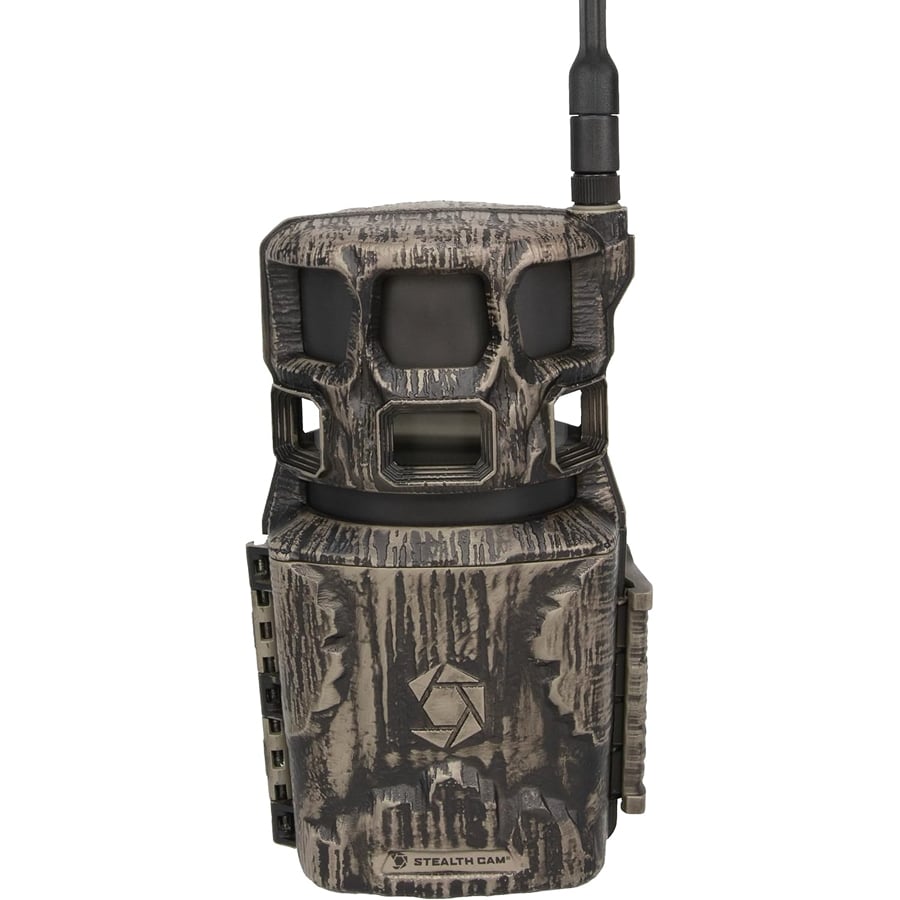
The Stealth Cam Fusion X Pro Deer Camera pushes resolution boundaries with 40MP photo capability and innovative panoramic 360° and 180° photo modes that capture ultra-wide perspectives impossible with traditional trail cameras. This unique feature set appeals to users monitoring expansive areas like food plot perimeters or property boundaries where comprehensive coverage from a single camera position provides strategic advantages over multiple standard-angle units.
Built-in 32GB internal memory and integrated GPS location tracking add convenience for managing multi-camera networks across large properties, while AIO Carrier Determination and Command PRO App compatibility position this camera for users interested in cellular connectivity upgrades. The 100-foot detection and flash range combined with 4 power LEDs ensures adequate illumination for night documentation, though the 0.35-second trigger speed trails faster competitors.
The camera's 1-3 photo burst mode and customizable time-out delays (2-59 seconds or 1-59 minutes) provide flexibility for adapting to different wildlife scenarios, while the integrated multi-position mount and ¼-20 threaded insert accommodate diverse installation requirements. The inclusion of a python cable provision addresses security concerns for high-risk deployment locations where theft remains a legitimate threat.
However, the 16-piece battery tray requirement creates logistical challenges and increased operational costs compared to more efficient 4-6 battery systems, while the slower trigger speed may result in missed shots of fast-moving subjects. The camera's feature-rich complexity appeals to tech-savvy users but can overwhelm those seeking straightforward, reliable wildlife documentation without advanced connectivity requirements.
Deer cameras, also known as trail cameras or game cameras, are motion-activated imaging devices specifically designed to document wildlife activity without human presence. These specialized cameras combine weatherproof housings, infrared night vision technology, and passive infrared (PIR) motion sensors to automatically capture photos and video when animals enter the detection zone.
Originally developed for wildlife research and game management, modern deer cameras have evolved into sophisticated monitoring tools used by hunters for scouting, landowners for property security, and naturalists for behavioral documentation. The cameras operate autonomously for weeks or months, powered by standard batteries and recording to removable memory cards.
Key technologies include no-glow infrared illumination that documents nocturnal activity without visible light that could disturb animals, fast trigger speeds measured in fractions of a second to capture moving subjects, and weatherproof construction rated to withstand temperature extremes, precipitation, and humidity across all seasons.
Advanced models now incorporate features like high-resolution sensors (16-40MP), 4K video recording, time-lapse modes, cellular connectivity for remote image transmission, and GPS tracking for managing multiple camera locations. These innovations transform simple motion-triggered cameras into comprehensive wildlife monitoring systems that provide unprecedented insight into animal behavior patterns, population dynamics, and habitat utilization.
BestExpertPick offers thoroughly researched reviews, supported by customer feedback, product data, and market analysis. While we do not personally test every product, our goal is to provide reliable and helpful information. Please note that images are for illustrative purposes only and may not reflect the actual product. We recommend readers seek additional information to make the best choice based on their needs.
Owned by ZEN MON PTE. LTD.
© All rights reserved! BestExpertPick 2020–2025